• The Do’s and Don’ts of Vintage Clothes Shopping

    See the copy on Substack

    Getting into vintage/retro fashion can be extremely fun and rewarding. It can also be daunting if you’re new to the hobby and aren’t sure where to start. Lucky for you, I’ve made a simple do and don’t list to make your next trip easier.

    The DO’s:

    1. DO Have a Vision (But Be Open to Deviation):

    a woman sitting in the drivers seat of a green car

    Photo by Lance Reis on Unsplash

    It’s great to go in with an idea of what you’re looking for – “I need a vintage denim jacket,” or “I’m on the hunt for a unique silk scarf.” This gives you focus. However, don’t let it blind you. The allure of vintage shopping often lies in discovering something you never knew you needed. Be open to surprises.

    2. DO Inspect Thoroughly:

    grayscale photo of man using magnifying glass

    Photo by mari lezhava on Unsplash

    This is perhaps the most crucial “do” because a lot of old articles of clothing are quite honestly nasty. Before you fall in love, give that garment a good once-over.

    • Check for stains: Especially in armpits, collars, and cuffs.
    • Look for holes or tears: Small ones might be mendable, but large rips could be a deal-breaker.
    • Examine seams and zippers: Are they intact? Do they function smoothly?
    • Test buttons and closures: Are they all there and secure?
    • Sniff test: Gently! Does it smell musty, smoky, or otherwise unpleasant? Sometimes a good wash will fix it, sometimes not.

    3. DO Know Your Measurements:

    red apple fruit with tape measure

    Sizes, especially in vintage clothing, are notoriously inconsistent. A vintage size 12 might be today’s size 6. Always bring a measuring tape or, even better, know your own key measurements (bust, waist, hips, inseam) and compare them to the garment’s. Don’t rely solely on the tag.

    4. DO Try Everything On (If Possible):

    This goes hand-in-hand with measurements. A garment might look one way on the hanger and completely different on your body. If dressing rooms are available, use them! If not, consider wearing thin, fitted clothing that makes it easy to slip things on over top.

    5. DO Look for Quality Fabrics:

    person holding assorted clothes in wooden hanger

    Photo by Becca McHaffie on Unsplash

    Vintage often means better quality construction and materials. Keep an eye out for natural fibers like wool, silk, linen, cotton, and cashmere. These not only feel better but also tend to last longer and hold up to washing.

    6. DO Consider Alterations: Don’t dismiss a piece just because it’s a little too long or the sleeves are baggy. Simple alterations like hemming, taking in seams, or adding darts can transform a good find into a perfect one. Factor in the cost of alterations when considering your budget.

    7. DO Be Patient and Persistent:

    unknown person sitting on red gang chair indoors

    Photo by ray sangga kusuma on Unsplash

    Vintage shopping is a treasure hunt, not a quick dash. Some days you’ll find nothing, and other days you’ll hit the jackpot. Enjoy the process, and don’t get discouraged if you occasionally leave empty-handed.

    8. DO Support Local: Many independent vintage shops are passion projects run by knowledgeable owners. Supporting them helps small businesses thrive and keeps unique pieces in circulation.

    The DON’Ts:

    1. DON’T Be Afraid to Haggle (Respectfully):

    focus photography of person counting dollar banknotes

    Photo by Alexander Grey on Unsplash

    In some independent vintage shops (less so in large thrift chains), a little friendly negotiation might be possible, especially if you’re buying multiple items or if a piece has a minor flaw. Always be polite and respectful.

    2. DON’T Buy Just Because It’s Cheap: Just because it’s $5 doesn’t mean you need it. If you don’t truly love it, and if it doesn’t fit or suit your style, it’s just clutter, no matter the price. Aim for quality and longevity over quantity.

    3. DON’T Forget to Clean Your Finds:

    a laundry basket filled with clothes next to a bottle of tide

    Photo by Ezekiel See on Unsplash

    Once you bring your vintage treasures home, could you give them a good clean? For most items, a gentle machine wash or hand wash with diluted Castile soap will suffice. For delicate items like silk or wool, consider dry cleaning or specialized care.

    4. DON’T Hoard: Vintage shopping can be addictive! Be mindful of your space and your actual needs. Rotate your wardrobe, and consider re-donating or selling items you no longer wear to keep the sustainable cycle going.

    Thank you for reading, and keep in mind that at the end of the day, there are no real rules. Only suggestions and best practices. You’ll find your own process and sense of style with these pre-loved pieces over time.


  • Beat the Heat with Ancient Wisdom

    Despite being raised in the south I can hardly say that I have acclimated to the intense summers. Perhaps it’s the fact that I’ve been cooled off by the Appalachian tree lines and valleys. But 88 degrees is 88 degrees. While we face unique climate challenges today, I wonder: how did people in the past deal with extreme heat?

    Let’s explore some of the unique ways that the people of the past kept from overheating

    Waking Up Early

    If you’ve spent time in the South or around agriculture, you know farmers rise with the sun. This isn’t just about maximizing daylight; it’s a practical strategy for avoiding intense mid-day heat. By starting early, ancient peoples completed strenuous work during cooler mornings, retreating indoors for a siesta when the sun was hottest. It’s a simple, effective concept for managing energy and comfort.

    Light Dressing: Natural Fibers and Minimal Layers

    Before synthetic fabrics and widespread air conditioning, clothing was crucial for temperature regulation. People relied on lighter, natural fibers like linen and cotton. Think flowing tunics and loose wraps. These materials allowed essential airflow, preventing heat from being trapped. In many cultures, simply wearing less clothing was also common. This emphasis on breathability and minimal layers is still useful for summer wardrobes.

    Ancient Air Conditioning

    Ancient civilizations developed sophisticated methods for cooling homes. One remarkable innovation was “wind catchers” or “Malqaf” in Persian architecture. These large, chimney-like structures captured prevailing winds, funneling cool air down into buildings while drawing hot air out. This created continuous circulation of fresh, cooler air, providing effective passive cooling. These ingenious designs show their understanding of natural air currents.

    Porches

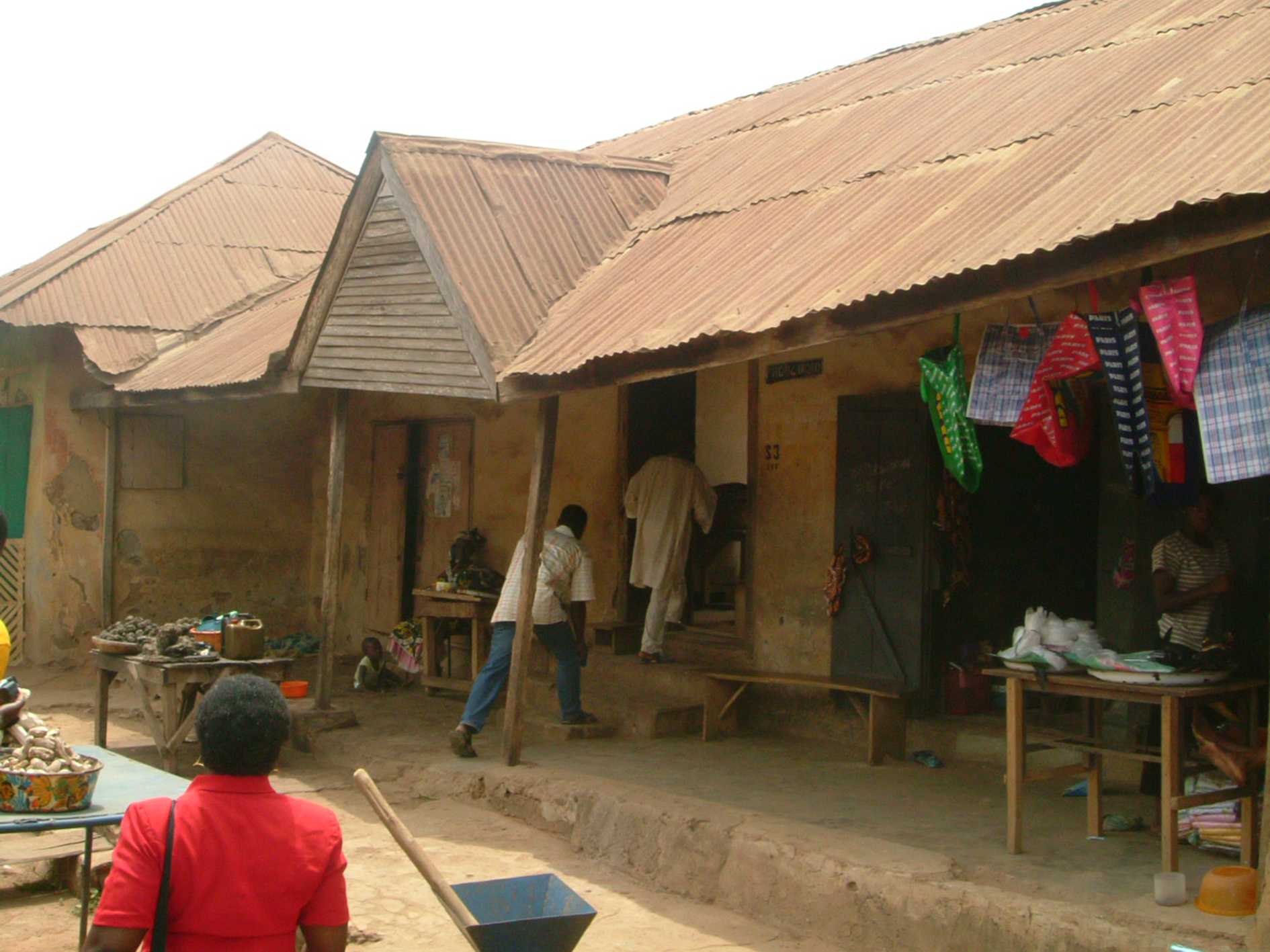
    A quintessential Southern home feature, the porch has deep roots in West African Yoruba culture. More than just a charming place to relax, porches serve a vital architectural purpose. They act as an architectural canopy, providing essential shade while allowing occupants to be outdoors and enjoy any breeze. By creating a transitional space between intense sun and cooler interiors, porches effectively extend living areas and offer a comfortable refuge. It’s a brilliant example of functional and comfortable design.

      Sources:

      https://www.thecollector.com/ancient-egyptians-cooling-air-condition/

      https://news.arizona.edu/employee-news/new-conversation-5-lessons-ancient-civilizations-keeping-homes-cool-hot-dry-climates

      https://bigthink.com/the-past/wind-catchers-ancient-technology-modern-air-conditioning

      https://www.bbc.com/future/article/20210810-the-ancient-persian-way-to-keep-cool

      https://africa.ufl.edu/palace-courtyards-in-ile%E1%B9%A3a-a-melting-point-of-traditional-yoruba-architecture/

    1. Today, we’re going to be taking a look at some of the unique listing from Roslindale Massachusetts, Zip cod chosen at random.

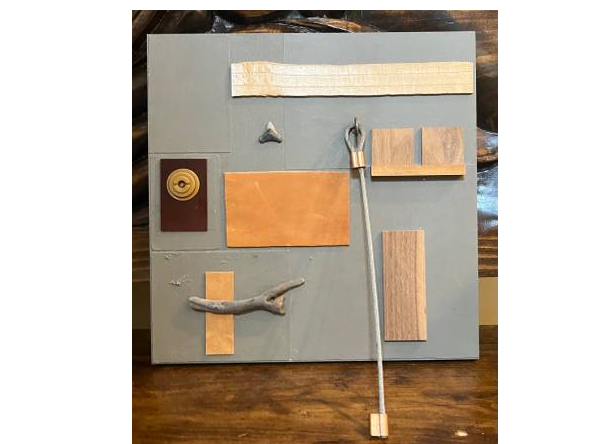
      “Site”, Robert Rovenolt- $75 (Lincoln)

      A 12×12 inch multimedia board of various found objects

      This simple and compelling fixture is not a busyboard despite appearances. It is actually an art piece by Robert Rovenolt from the Boston Center for the Arts, “Site” 2016.

      This listing immediately caught my eye and unfortunately, it’s not for sale to those outside of the area. All proceeds from the sale, though, go to the Boston Bridges Initiative which is great

      Upon exploration I found the artist’s other works on the BCA website. If you enjoy found object art, I highly recommend looking into his work.

      13 – Time-Life: Giants of Jazz – 3 LP Box Sets w/ Booklet (Brookline)

      A display of various records of famous jazz artists.

      This listing has such great presentation I had to click to learn more. This collection hosts albums of various famous jazz artists. An incredible bundle for any classic jazz fan.