
Despite being raised in the south I can hardly say that I have acclimated to the intense summers. Perhaps it’s the fact that I’ve been cooled off by the Appalachian tree lines and valleys. But 88 degrees is 88 degrees. While we face unique climate challenges today, I wonder: how did people in the past deal with extreme heat?
Let’s explore some of the unique ways that the people of the past kept from overheating
Waking Up Early

If you’ve spent time in the South or around agriculture, you know farmers rise with the sun. This isn’t just about maximizing daylight; it’s a practical strategy for avoiding intense mid-day heat. By starting early, ancient peoples completed strenuous work during cooler mornings, retreating indoors for a siesta when the sun was hottest. It’s a simple, effective concept for managing energy and comfort.
Light Dressing: Natural Fibers and Minimal Layers

Before synthetic fabrics and widespread air conditioning, clothing was crucial for temperature regulation. People relied on lighter, natural fibers like linen and cotton. Think flowing tunics and loose wraps. These materials allowed essential airflow, preventing heat from being trapped. In many cultures, simply wearing less clothing was also common. This emphasis on breathability and minimal layers is still useful for summer wardrobes.
Ancient Air Conditioning
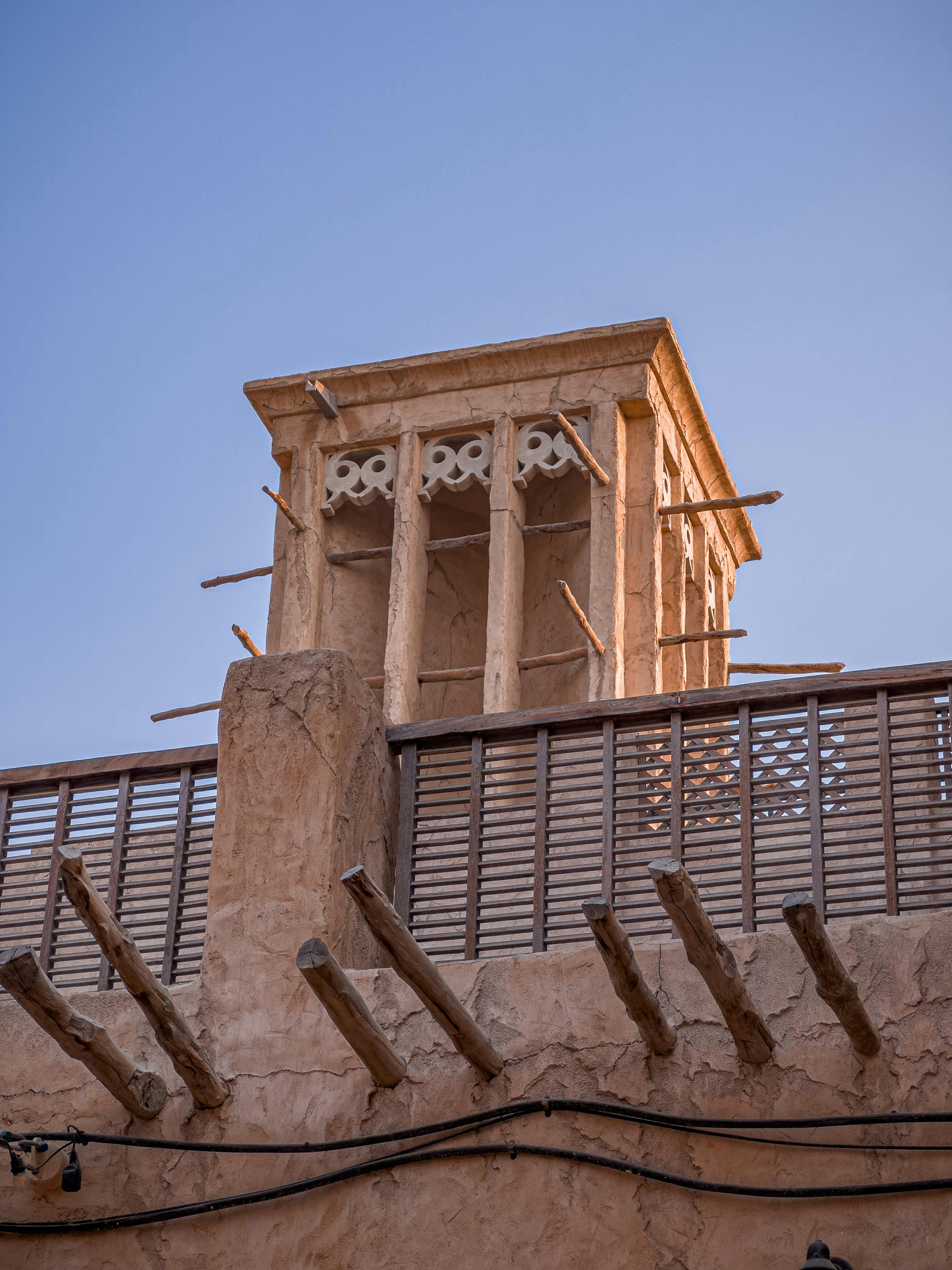
Ancient civilizations developed sophisticated methods for cooling homes. One remarkable innovation was “wind catchers” or “Malqaf” in Persian architecture. These large, chimney-like structures captured prevailing winds, funneling cool air down into buildings while drawing hot air out. This created continuous circulation of fresh, cooler air, providing effective passive cooling. These ingenious designs show their understanding of natural air currents.
Porches

A quintessential Southern home feature, the porch has deep roots in West African Yoruba culture. More than just a charming place to relax, porches serve a vital architectural purpose. They act as an architectural canopy, providing essential shade while allowing occupants to be outdoors and enjoy any breeze. By creating a transitional space between intense sun and cooler interiors, porches effectively extend living areas and offer a comfortable refuge. It’s a brilliant example of functional and comfortable design.
Sources:
https://www.thecollector.com/ancient-egyptians-cooling-air-condition/
https://bigthink.com/the-past/wind-catchers-ancient-technology-modern-air-conditioning
https://www.bbc.com/future/article/20210810-the-ancient-persian-way-to-keep-cool
 The Archive Ephemera
Leave a comment